
Heal in China,From Inquiry to Recovery
Heal in China,From Inquiry to Recovery
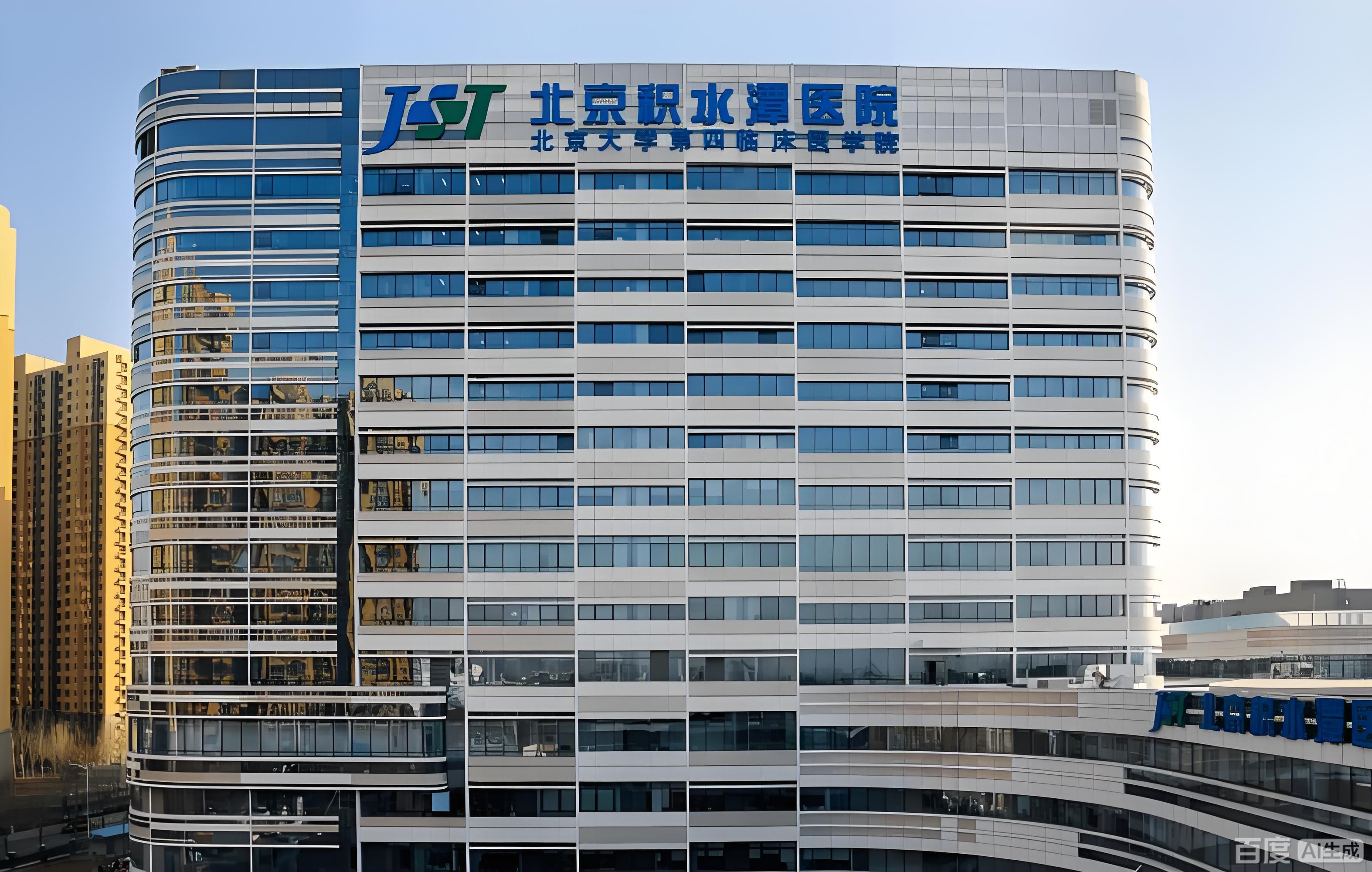
Top hospitals and specialized advantages: Some large-scale Grade A tertiary hospitals in China, such as Peking Union Medical College Hospital and West China Hospital, have reached internationally advanced levels in the fields of oncology, cardiovascular and cerebrovascular diseases, and organ transplantation, with state-of-the-art equipment.
Top hospitals and specialized advantages: Some large-scale Grade A tertiary hospitals in China, such as Peking Union Medical College Hospital and West China Hospital, have reached internationally advanced levels in the fields of oncology, cardiovascular and cerebrovascular diseases, and organ transplantation, with state-of-the-art equipment.
In some countries, non-emergency surgeries may require waiting in line for several months, whereas in some hospitals in China, the appointment cycle is relatively short, offering one-stop services: medical intermediaries or international departments of hospitals provide full-process services for international patients, including visa assistance, translation, and accompanying visits to the hospital.
In some countries, non-emergency surgeries may require waiting in line for several months, whereas in some hospitals in China, the appointment cycle is relatively short, offering one-stop services: medical intermediaries or international departments of hospitals provide full-process services for international patients, including visa assistance, translation, and accompanying visits to the hospital.
China's successful cases in the field of complex and rare diseases have been disseminated through international media or patient communities, building a good reputation. Some hospitals have collaborated with institutions in Europe and America to promote international certifications (such as JCI certification) to enhance trust.
China's successful cases in the field of complex and rare diseases have been disseminated through international media or patient communities, building a good reputation. Some hospitals have collaborated with institutions in Europe and America to promote international certifications (such as JCI certification) to enhance trust.
Featuring 67 clinical and medical technology departments, including: Ophthalmology, Otolaryngology-Head and Neck Surgery, Pediatrics, Rheumatology and Immunology, Obstetrics and Gynecology, Infectious Diseases, Orthopedics, Respiratory and Critical Care Medicine, Emergency Medicine, and more.
Featuring 67 clinical and medical technology departments, including: Ophthalmology, Otolaryngology-Head and Neck Surgery, Pediatrics, Rheumatology and Immunology, Obstetrics and Gynecology, Infectious Diseases, Orthopedics, Respiratory and Critical Care Medicine, Emergency Medicine, and more.
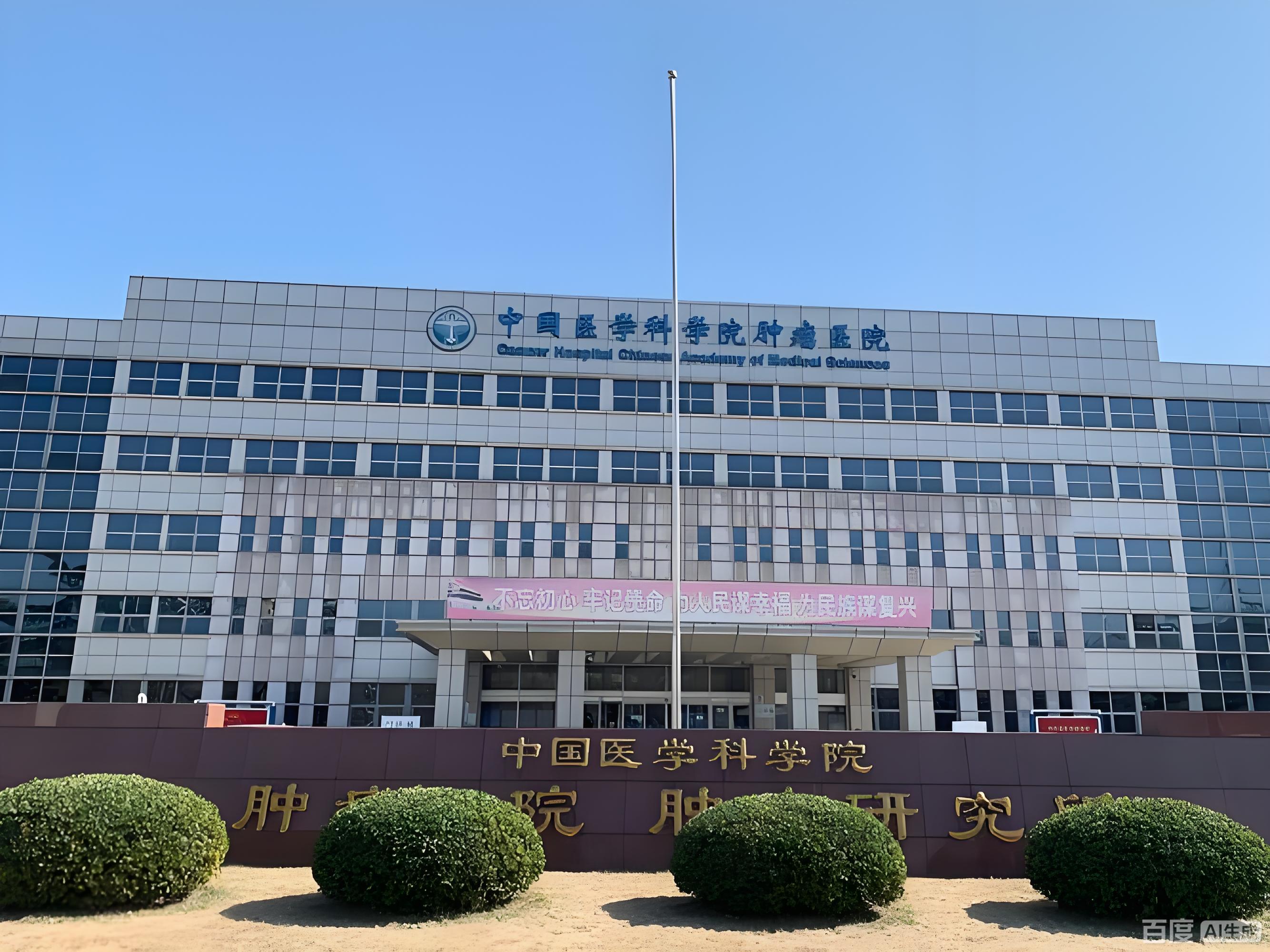
It ranks among the world's leading institutions in the diagnosis and treatment of nearly all common and complex cancers, including lung cancer, esophageal cancer, breast cancer, malignant lymphoma, colorectal cancer, liver cancer, pancreatic cancer, gastric cancer, and gynecological tumors.
It ranks among the world's leading institutions in the diagnosis and treatment of nearly all common and complex cancers, including lung cancer, esophageal cancer, breast cancer, malignant lymphoma, colorectal cancer, liver cancer, pancreatic cancer, gastric cancer, and gynecological tumors.
Accompanying consultation service is a link in the entire medical process. It refers to the service provided by one or more professional accompanying consultants who accompany patients to the hospital during the consultation process and assist them in seeking medical advice. By saving time and energy for patients and their families, improving consultation efficiency, and alleviating the "difficulty in seeing a doctor", a certain service fee is charged. The main services provided by accompanying consultation include assisting patients in obtaining appointment numbers, queuing, undergoing examinations, paying fees, collecting laboratory test reports, and picking up medications. They also help patients optimize their consultation plans and improve efficiency in terms of department selection, doctor selection, cost arrangement, and doctor-patient communication effectiveness.